

As a supplier of wet outdoor saunas, I understand the challenges that come with maintaining these luxurious recreational facilities in diverse weather conditions. One of the most daunting scenarios for outdoor sauna owners is dealing with heavy snowfall. Snow can cause significant damage to the sauna structure, insulation, electrical components, and overall functionality if not properly managed. In this blog, I'll share some practical and scientific strategies to protect your wet outdoor sauna from the harsh effects of snow.
Understanding the Risks of Snow to Outdoor Saunas
Before delving into the protective measures, it's essential to understand why snow poses a threat to your wet outdoor sauna. First, the weight of accumulated snow can put excessive stress on the sauna's roof and walls. If the structure is not designed to handle the additional load, it may lead to structural damage, including roof collapses or wall cracks. Second, snow can seep into the sauna through small gaps or openings, causing water damage to the interior. This can lead to mold growth, rotting of wooden components, and corrosion of metal parts. Third, the freezing and thawing cycle of snow can cause expansion and contraction of materials, which can further weaken the sauna's structure over time.
Selecting the Right Location
The first step in protecting your wet outdoor sauna from snow is to choose the right location for installation. Ideally, the sauna should be placed in an area that is sheltered from the prevailing winds and snowdrifts. A location near a building or a large tree can provide some natural protection from the elements. Additionally, ensure that the ground is level and well-drained to prevent water from pooling around the sauna, which can lead to water damage and freezing.
Insulating the Sauna
Proper insulation is crucial for protecting your wet outdoor sauna from the cold and snow. Insulation helps to maintain a consistent temperature inside the sauna, reduces energy consumption, and prevents heat loss. When selecting insulation materials, choose ones that are waterproof, fire-resistant, and have a high R-value (thermal resistance). Common insulation materials for outdoor saunas include fiberglass, cellulose, and spray foam insulation.
Installing a Snow Guard
A snow guard is a simple yet effective device that can prevent large amounts of snow from sliding off the sauna roof all at once. Snow guards are typically installed along the edges of the roof and help to break up the snow into smaller chunks, allowing it to melt gradually and fall off the roof in a controlled manner. This reduces the risk of snow avalanches, which can cause damage to the sauna and surrounding areas.
Using a Sauna Cover
A high-quality sauna cover is an excellent investment for protecting your wet outdoor sauna from snow, rain, and other weather elements. A sauna cover should be made of durable, waterproof material and fit snugly over the sauna. It should also be easy to install and remove. When using a sauna cover, ensure that it is properly secured to prevent it from blowing off in strong winds.
Regular Maintenance and Inspection
Regular maintenance and inspection are essential for keeping your wet outdoor sauna in good condition, especially during the winter months. Check the sauna regularly for signs of damage, such as cracks, leaks, or loose fittings. Make sure that the doors and windows seal properly to prevent heat loss and water infiltration. Clean the sauna regularly to remove any snow or ice buildup, and check the ventilation system to ensure proper airflow.
Clearing Snow from the Roof
Clearing snow from the sauna roof is an important part of protecting the structure from damage. However, it's essential to do it safely and correctly to avoid injury. Use a snow rake or a long-handled shovel to remove the snow from the roof, starting from the edge and working your way up. Avoid using sharp tools or heavy objects that could damage the roof. If the snow is too heavy or difficult to remove, consider hiring a professional snow removal service.

Winterizing the Sauna
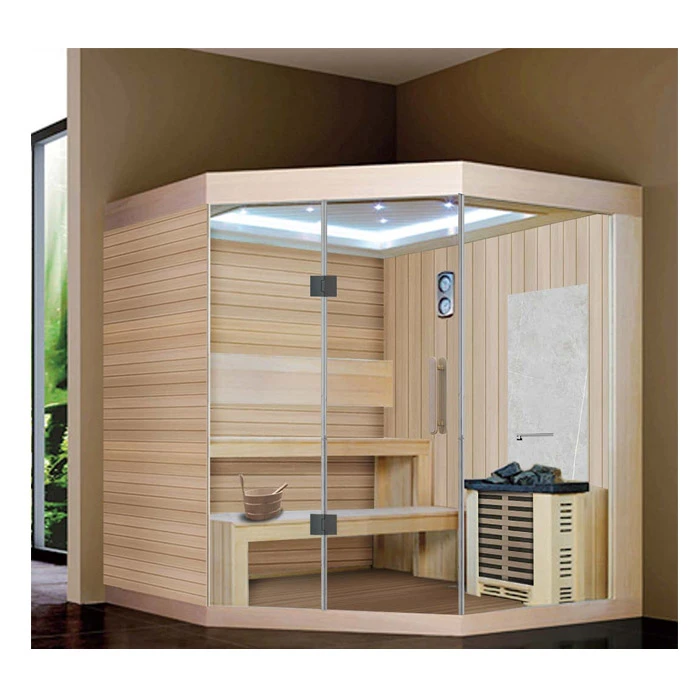
Winterizing your wet outdoor sauna involves taking additional steps to protect it from the cold and snow. This may include draining the water from the sauna heater and pipes to prevent freezing, insulating the heater and pipes with foam insulation, and turning off the power supply to the sauna. If you live in an area with extremely cold temperatures, you may also want to consider using a heat tape or a space heater to keep the sauna warm.
Investing in a High-Quality Sauna
Finally, investing in a high-quality wet outdoor sauna is one of the best ways to protect it from snow and other weather elements. Look for a sauna that is made of durable materials, such as cedar, redwood, or stainless steel, and has a strong, well-built structure. A high-quality sauna will be better able to withstand the weight of snow and the effects of freezing and thawing, reducing the risk of damage and extending its lifespan.
Conclusion
Protecting your wet outdoor sauna from snow requires a combination of proper planning, installation, maintenance, and winterization. By following the strategies outlined in this blog, you can ensure that your sauna remains in good condition and provides you with years of enjoyment, even in the coldest winter months.
If you're interested in purchasing a wet outdoor sauna or need more information on how to protect your existing sauna from snow, please feel free to [initiate a conversation about procurement]. We offer a wide range of high-quality outdoor saunas, including Backyard Infrared Sauna, Modern Outdoor Sauna, Beautiful Commercial Sauna Room, Redwood Outdoor Sauna, and Small Outdoor Sauna. Our team of experts is ready to assist you in finding the perfect sauna for your needs and providing you with the support and advice you need to keep it in excellent condition.
References
- ASHRAE. (2021). Handbook of Fundamentals. Atlanta, GA: American Society of Heating, Refrigerating and Air-Conditioning Engineers.
- National Fire Protection Association. (2020). NFPA 314: Standard for the Installation of Wood-Burning Heating Appliances. Quincy, MA: National Fire Protection Association.
- U.S. Department of Energy. (2021). Energy Efficiency and Renewable Energy. Retrieved from https://www.energy.gov/eere